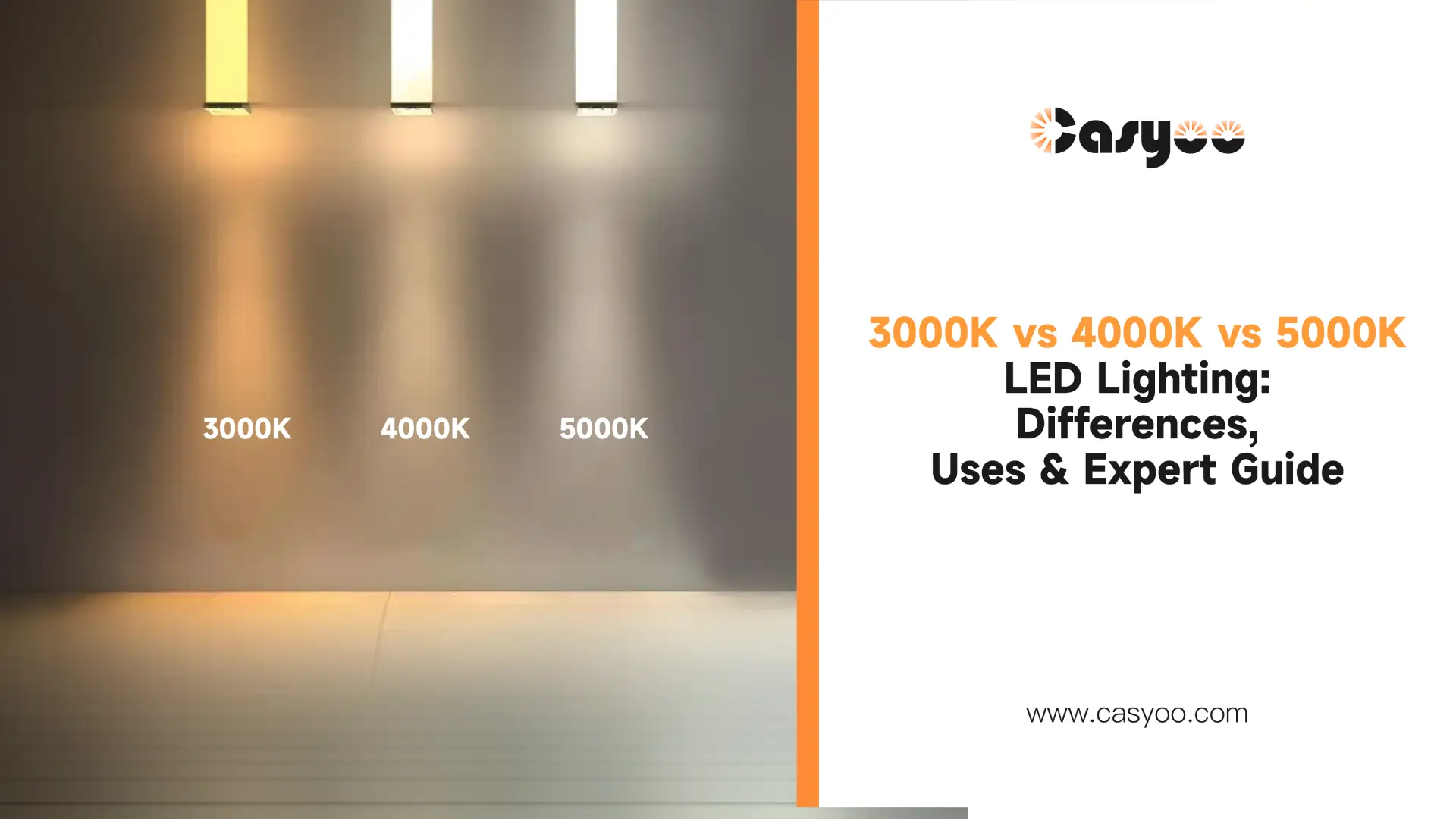
Common color temperatures for general lighting are 3000K, 4000K and 5000K. When selecting an LED lamp, color temperature is a key factor to consider. 3000K vs 4000K vs 5000K, these three color temperatures can be different in terms of visual perception, psychological and circadian effects, luminous efficiency, and applications. Wondering what makes 3000K, 4000K, and 5000K LED lights different? This article will guide you through to help you understand color temperatures, know their differences, and help you select the best one for different spaces. Let’s get started!
What Is Color Temperature and Why It Matters
Color temperature refers to the color of light emitted by a theoretical black body radiator as it is heated, transitioning from deep red to orange-yellow, white, and eventually blue. A light source’s color temperature, which is measured in Kelvin (K), is the temperature at which the color of the light source matches the color of a black body. It expresses the perceived “warmth” (reddish color at low values) or “coolness” (bluish color at high values) of light from the prevalence of red or blue wavelengths in its spectrum, but not any actual heat production. A lower Kelvin value (like 2700K–3000K) creates a warm, yellowish glow, while higher values (like 5000K–6500K) produce a cool, bluish-white light.
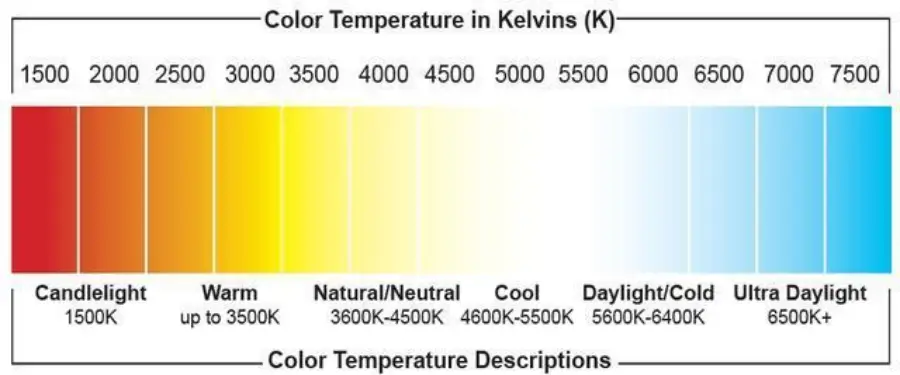
This measurement helps designers, engineers, and homeowners create the right mood and visibility for each space.
👉 Learn more about brightness differences in our guide: LED Lumens vs Watts Explained
3000K vs 4000K vs 5000K: Key Differences
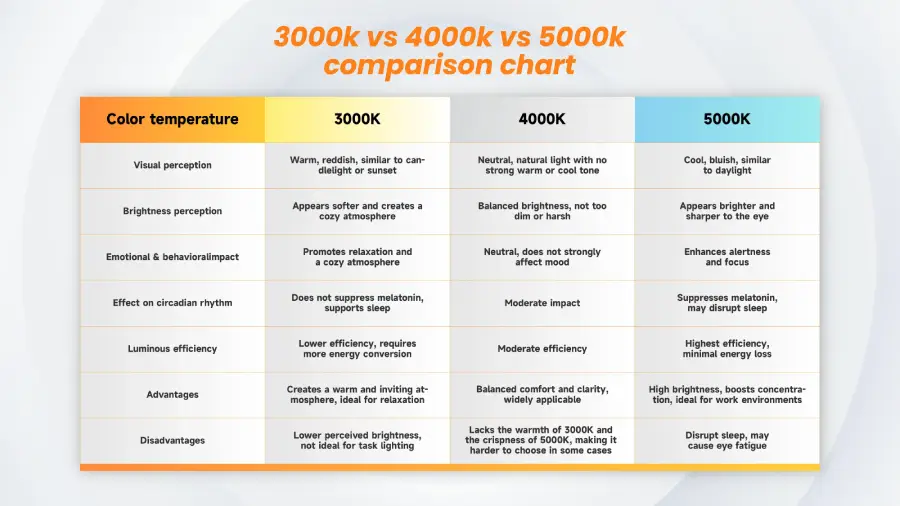
Color temperature not only affects the look of your lighting but also impacts how people feel and perform under it. The table below illustrates the differences between the 3 color temperatures from 4 perspectives.
| Parameter | 3000K (Warm White) | 4000K (Neutral White) | 5000K (Daylight White) |
| Visual tone | Cozy, relaxing | Balanced, natural | Bright, energizing |
| Best for | Homes, restaurants | Offices, retail stores | Factories, parking lots |
| CRI Range | 80–90 | 80–90 | 70–85 |
| Mood effect | Calm & warm | Neutral & clear | Focused & alert |
3000K light appears more reddish, while 5000K light has a bluish tone—this is the first difference we can find based on definition. However, it is also necessary to be aware of the following differences in order to make an informed choice.
1. Visual perception
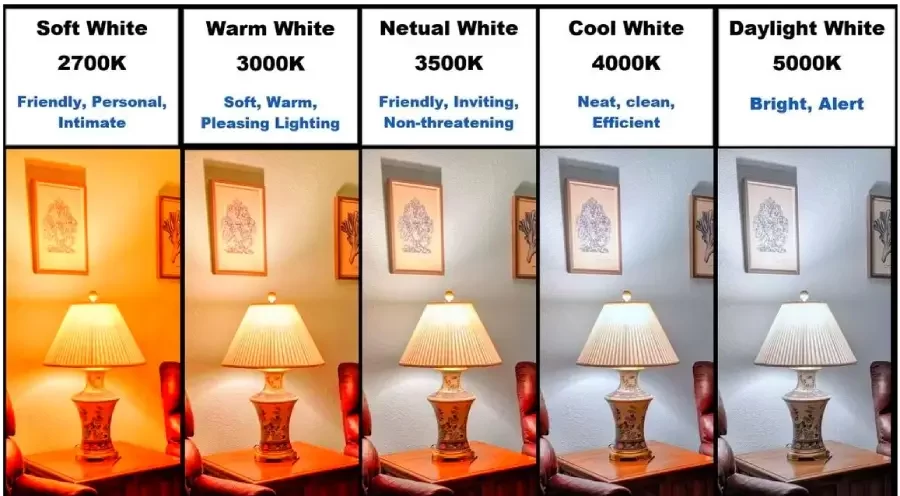
- Color: 3000K light emits warm light, 4000K light gives a neutral tone, and 5000K light is cool.
- Brightness: Although color temperature does not affect the brightness directly, it affects people’s perception of the light. For instance, 3000K lights make people feel dull, while 5000K lights make people feel refreshed. Hence, at the same brightness level, 5000K would generally appear brighter than 3000K to the human eye.
- Contrast: Color temperature also affects how the human eye perceives contrast. For warm-colored light such as 3000K, minimal differences in brightness might not be sharp enough. However, cool colors such as 5000K can render the edges of objects sharper, which is particularly useful in factories and hospitals.
- Visual acuity: Research has indicated that lower color temperature environment impair visual acuity. This is why 5000K lighting is often preferred for work spaces over 3000K.
- Visibility: For specific applications, high color temperature lights can improve visibility more effectively than lower temperatures. For instance, in fog, the yellowish hue of low-color-temperature headlights (e.g., 3000K) allows drivers to see the road ahead better.
2. Psychological and circadian effects
- Emotional and behavioral influence
Natural daylight has a higher color temperature and makes human brain energetic, while the light at dusk is characterized by a lower color temperature, which induces relaxation. Therefore, high color temperature blue light serves well as task lighting, boosting work efficiency. Using low color temperature warm yellow light at night helps promote relaxation and prepares the body for sleep.
- Blue light and circadian rhythm
Discovered in 1998, melanopsin photoreceptors in the retina are sensitive to blue light and help regulate our sleep-wake cycles. Blue light (459–485 nm) suppresses melatonin, which can lead to sleep disruption. Since higher color temperatures give off more blue light, the use of lower color temperatures at night safeguards circadian rhythms and prevents health issues.
3. Luminous efficiency
LEDs with higher color temperatures (e.g. 5000K) are more efficient than LEDs with lower color temperatures (e.g. 3000K). LEDs usually employ a blue light chip to produce white light. When different color temperatures are needed, blue light will be partially converted into longer wavelengths (green, yellow, and red) using a phosphor or converter. However, this conversion process is inherently inefficient—the greater the shift towards longer wavelengths, the more energy is lost. To produce a warm 3000K color temperature, for example, much blue light needs to be converted to red, and this is more lossy. In contrast, a high color temperature like 5000K only requires converting blue light into green, which has a shorter wavelength and lower energy loss. This is why the luminous efficiency of 5000K light is higher than that of 3000K light.
Best uses for 3000K, 4000K, and 5000K lighting
What are the ideal situations for diverse color temperatures? Based on more than ten years of industry experience, we have summarized the ideal applications for each of the three color temperatures.
3000K: warm and cozy lighting
3000K is suitable for spaces with a warm and relaxing atmosphere while accentuating decoration. Common applications of 3000K lighting include:
- Bedroom
- Living room
- Dining room, restaurants and cafés
- Decorative landscape lighting

3000K Indoor Room Lighting

4000K: neutral and balanced lighting
4000K delivers balanced, neutral light that is clean and comfortable but not harsh. It is appropriate for numerous indoor and outdoor applications, including:
- Kitchen
- Bathroom
- Garage
- Office (for general lighting)
- Supermarkets & retail stores
- Hotel lobbies & corridors
- Street lighting
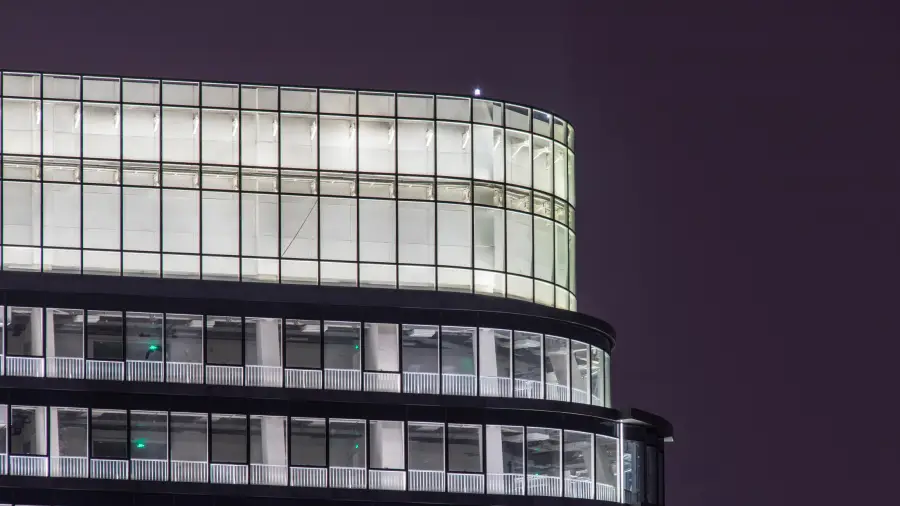
4000K Commercial Lighting
5000K: cool and bright lighting
5000K is near daylight and is best utilized for task areas such as:
- Office (for a highly focused work environment)
- Factories
- Warehouse
- Operating room
- Public transit station
- Stadium lighting
- Parking lot
- Security floodlight
5000K public transit station lighting

3000K vs 4000K vs 5000K: how to choose?
First, here is a quick guide for you to choose the right CCT
| Preference | Recommended Color Temperature |
|---|---|
| Cozy and relaxing | 3000K |
| Balanced and bright | 4000K |
| Clear and energizing | 5000K |
In deciding the color temperature that is suitable for different spaces, the foremost consideration is what the space will be used for. And indoor and outdoor lighting have their own separate set of considerations.
Function of the space
- 3000K: Most suitably applied in relaxation areas such as bedrooms, living rooms, dining rooms, and boutique hotels. It produces a cozy and warm ambiance.
- 4000K: Ideal for balanced lighting in offices, kitchens, garages, and street lighting, producing a neutral and bright ambiance.
- 5000K: Suitable for high-visibility and task-oriented spaces like factories, hospitals, stadiums, and security lighting. It helps improve concentration and clarity.
A layered lighting approach can optimize room functionality. For example, a bedroom could use 3000K for ambient lighting and 4000K for task lighting like bedside lamps.
Interior design
- Light tones (e.g., shatter white, light yellow, light pink): Light, airy colors are popular in Scandinavian and Modern interiors, which give the space a bright and inviting look. 3000K lighting enhances this warmth and leisure, giving the space an even cozier feel.
- Natural wood tones: A Rustic and Bohemian favorite, wood tones pair nicely with 3000K or 4000K lighting for a cozy, natural glow.
- Warm tones (e.g., orange, red, yellow): Warm, rich Mediterranean and Tuscan colors can be complemented with 3000K lighting.
- Neutral tones (e.g., gray, black, white): Gray, white and black are very versatile colors. They take center stage in Modern, Minimalist, and Industrial designs and pair well with 5000K lighting.
Outdoor lighting requirements
- Decorative or security lighting? The most suitable decoration is warm 3000K light since it merges well with garden landscapes and creates a relaxing ambiance. If you want safety lighting that provides clear visibility across the entire courtyard, choose cool white 5000K light.
- Light pollution: It’s critical to take into account how blue light affects inhabitants’ sleep in order to reduce the consequences of light pollution. Near residential areas, it is best to use street lights with low color temperature to minimize the harm of blue light.
- Insect attraction: A study in Insect Conservation and Diversity concluded that white light is more appealing to insects than amber light. Therefore, light with lower or adjustable color temperature is more suitable for garden and street lighting.
Frequently Asked Questions
-Is 4000K too bright for a living room?
If you want to enjoy a warm atmosphere in your living room, 4000K light might be too cool and bright for you. Generally speaking, a color temperature of 3000K is recommended for living rooms.
-Is 4000K good for eyes?
As a moderate color temperature, 4000K is well-suited for general lighting. While it does contain some blue light, it is not harmful to the eyes in everyday use.
-Is 3000K too yellow? Is 4000K too cool?
It depends. As mentioned earlier, different color temperatures suit different settings. In the office, 3000K might be too yellow, but in the bedroom, 4000K might be too cool.
The color temperature of Casyoo LED lights is optimal for a range of uses. In addition, considering the personal preferences of customers, we provide different color temperature options for each light. Just check our website or contact us directly to know more about Casyoo’s best sellers of 3000K garden lights, 4000K street lights, 5000K stadium lights, etc.!
-Will color temperature affect CRI?
Color temperature and color rendering are independent of each other, but they will affect visual comfort separately. Whether color temperature or CRI, if not appropriate, it will lead to eye fatigue.
Looking for OEM/ODM LED lighting with customizable color temperatures? Just contact us to explore professional LED solutions for grow lights, street lights, and indoor applications.
Related reading: